

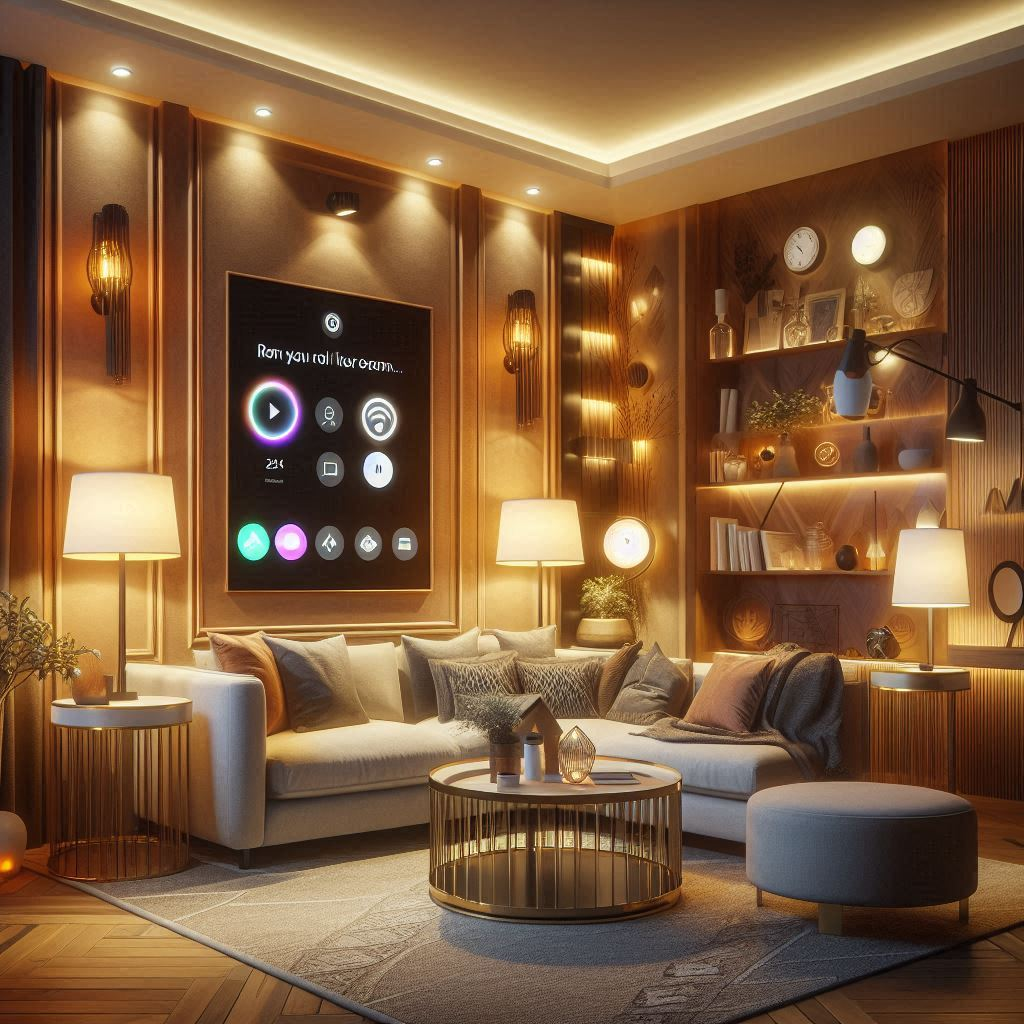
The Smart Home Market in Ireland
The smart home market in Ireland is experiencing growth, albeit at a slower pace compared to larger markets like the United States and the United Kingdom. Here’s an overview of the smart home market in Ireland:
Market Size: The revenue in the Smart Home market is projected to reach US$126.9 million (£100 million, €117 million) in 2024
Growth Rate: It is expected to grow at an annual rate (CAGR) of 10.72% from 2024 to 2028, resulting in a projected market volume of US$190.7 million (£152 million, €117 million) by 2028
Household Penetration: The household penetration rate is expected to be 18.4% in 2024 and is forecasted to increase to 42.7% by 2028
Average Revenue per Smart Home: The average revenue per installed Smart Home in Ireland is expected to amount to US$347 (£277, €322)
Consumer Preferences
Irish consumers are increasingly drawn to smart home devices that offer convenience, energy efficiency, and security. The ability to control various aspects of their homes remotely through smartphone apps or voice assistants is particularly appealing. There is a growing awareness of environmental issues, leading to a preference for smart devices that help reduce energy consumption.
Market Trends
A notable trend in the Irish Smart Home market is the integration of smart technology into new residential construction projects. Builders and developers are incorporating smart features from the initial design phase to meet the rising demand for connected homes. This data reflects the market impacts of the Russia-Ukraine war and is based on the most recent update from March 2024. The smart home market in Ireland is part of a global trend towards more connected and efficient living spaces, with significant growth potential in the coming years.
The most popular smart home devices in Ireland include:
Smart TVs: Almost seven out of ten consumers own a Smart TV, making it one of the most common smart home devices.
Virtual Assistants: Devices like Amazon’s Alexa are in just under half of Irish households, providing voice-controlled assistance.
Smart Energy Devices: These include smart thermostats, smart plugs, and smart lights, used by 15% of Irish internet users to manage energy consumption more efficiently.
Smart Security Equipment: Wireless cameras, smart smoke or CO2 detectors, smart door locks, and alarm systems are used by 14% of users for enhanced home security.
Connected Appliances: A smaller percentage of users, 4%, have connected appliances like smart ovens, robot vacuums, or smart fridges.
These devices are part of the broader Internet of Things (IoT) ecosystem, where interconnected devices and systems share data and automate actions based on the homeowner’s preferences. The adoption of smart home technology in Ireland is driven by the benefits of energy savings, convenience, improved security, and entertainment .
Market Size and Growth
The smart home market in Ireland has been expanding steadily, driven by increasing consumer awareness, rising disposable income, and advancements in technology. While the market size is relatively smaller compared to larger countries, there is growing interest and adoption of smart home devices and systems.
Consumer Adoption
Irish consumers are increasingly embracing smart home technologies to enhance convenience, comfort, and security in their homes. Smart speakers, such as those powered by virtual assistants like Amazon Alexa and Google Assistant, have gained popularity for controlling smart devices, playing music, and accessing information through voice commands.
Product Categories
Similar to other markets, the smart home market in Ireland encompasses a wide range of product categories, including smart lighting, thermostats, security cameras, doorbell cameras, smart locks, and smart appliances. These products offer features such as remote control, scheduling, energy monitoring, and integration with voice assistants and mobile apps.
Retail Distribution
Smart home products are available through various retail channels in Ireland, including electronics stores, online retailers, home improvement stores, and telecommunications providers. Additionally, smart home technology is increasingly being integrated into new home construction and renovation projects, with builders and developers offering pre-installed smart home systems as a selling point.
Challenges and Opportunities
Despite the growing popularity of smart home devices, challenges such as interoperability issues, privacy concerns, and the complexity of installation and setup remain barriers to widespread adoption in Ireland. However, these challenges also present opportunities for companies to innovate and develop user-friendly, interoperable solutions that address the specific needs and preferences of Irish consumers.
Regulatory Landscape
The regulatory landscape in Ireland, as part of the European Union, is influenced by EU regulations related to data privacy, cybersecurity, and energy efficiency. Compliance with regulations such as the General Data Protection Regulation (GDPR) is essential for companies operating in the smart home market to ensure consumer trust and protection of personal data.
Government Initiatives
The Irish government has introduced initiatives and incentives to promote energy efficiency and sustainability, which can drive adoption of smart home technologies. Programs such as the Sustainable Energy Authority of Ireland (SEAI) offer grants and support for home energy upgrades, including the installation of smart heating controls and energy monitoring systems.
Overall, the smart home market in Ireland is poised for continued growth, driven by factors such as technological innovation, changing consumer lifestyles, and government support for sustainability and energy efficiency initiatives. As smart home technology becomes more integrated and accessible, it is expected to play an increasingly significant role in Irish households, providing benefits in terms of convenience, comfort, and cost savings.


About author







Add comment